Uruguay is a small country with a population only 3.4 mln people and 1.8 mln of them live in the capital and its suburbs. Squeezed between 2 giants, Argentina and Brazil, Uruguay has similarities with both of them and won its independence from them as well as from Portugal and Spain throughout its short history.

Montevideo is the southernmost capital city in America (yes, it is in South of Buenos Aires by less that 1 degree).
Local people are pretty skeptical about a beauty of their country but we’ve got some interesting findings in terms of eco-tourism that I will share with you in other articles.
Day 1.
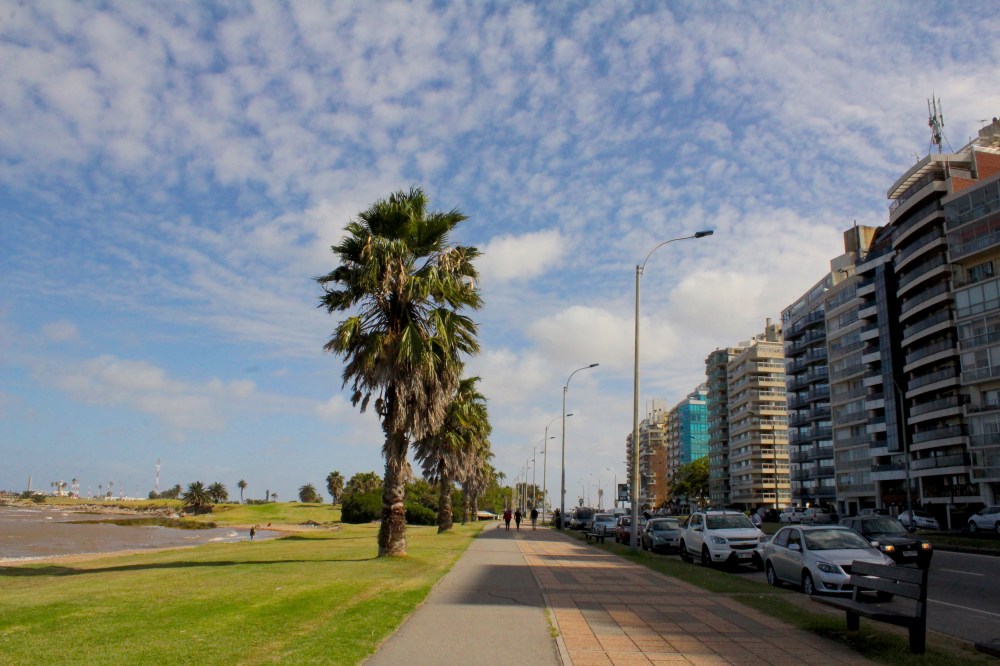
Since our hotel was located in Punta Carretas area I started exploring it first following the Rambla (riverside/seaside road or embankment) to the west.
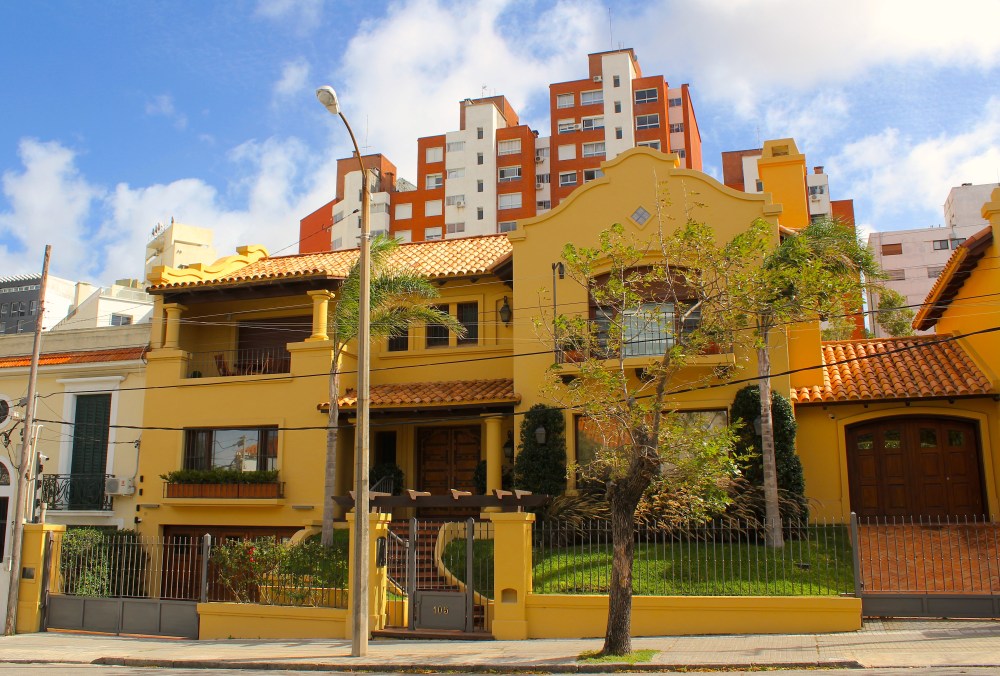
The architecture of the city does not have the same style, it’s just a mix of modernism, classicism, post-modernism with little or no touch of colonial style. 
During my slow walking, I found a museum of Juan Zorrilla. The admission is free and if you know Spanish you will hear the story of the country and National Poet of Uruguay. The museum is located in the former house of Zorrilla family and very well preserved.
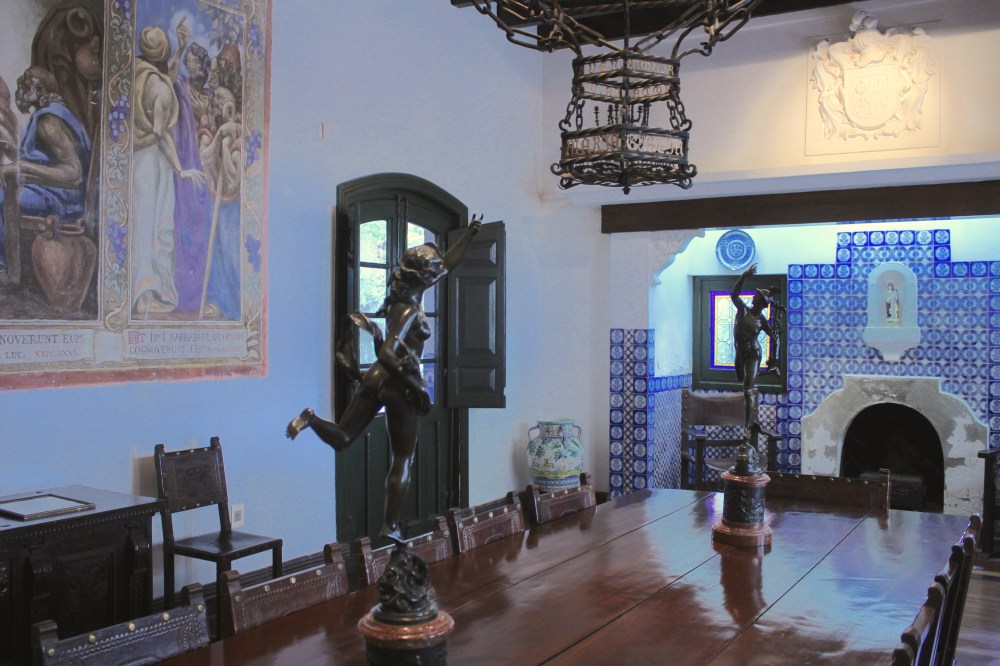
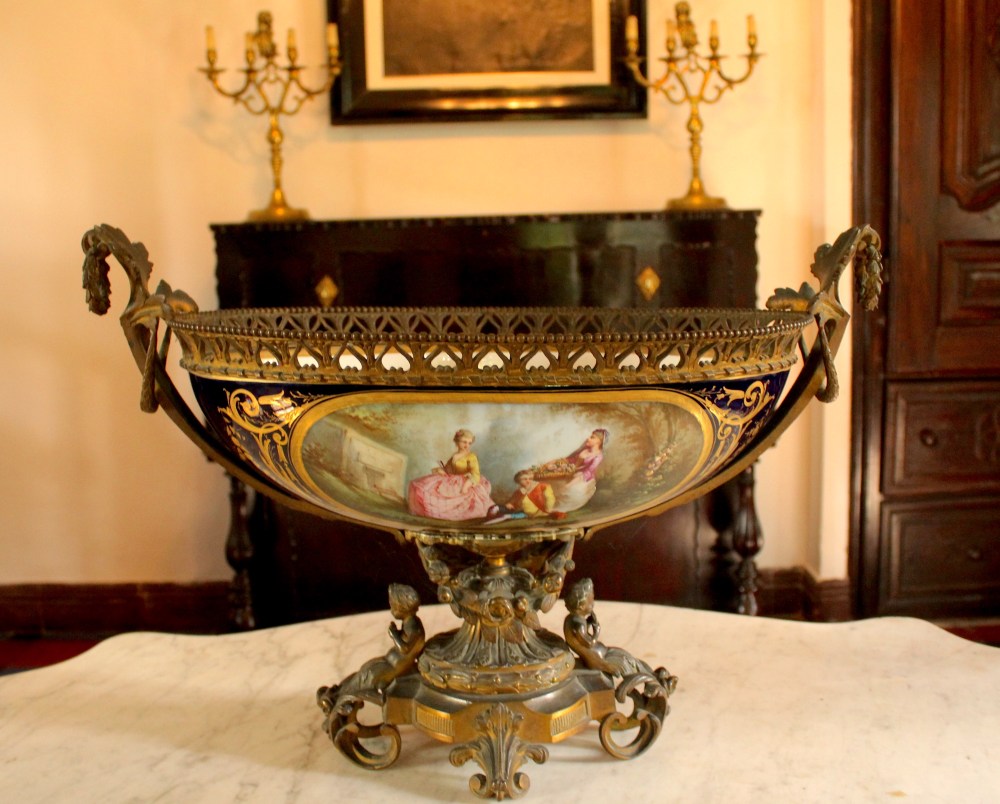
Along with the permanent showpieces, there is a room for temporary exhibitions which are also free for visitors but one has to have a special sense of art, I am just not good enough to understand modern art. Below are exponents of a temporary exhibition.

After visiting a museum, I continued my embankment walk struggling with the autumn wind which was strong enough to mess up my hair.
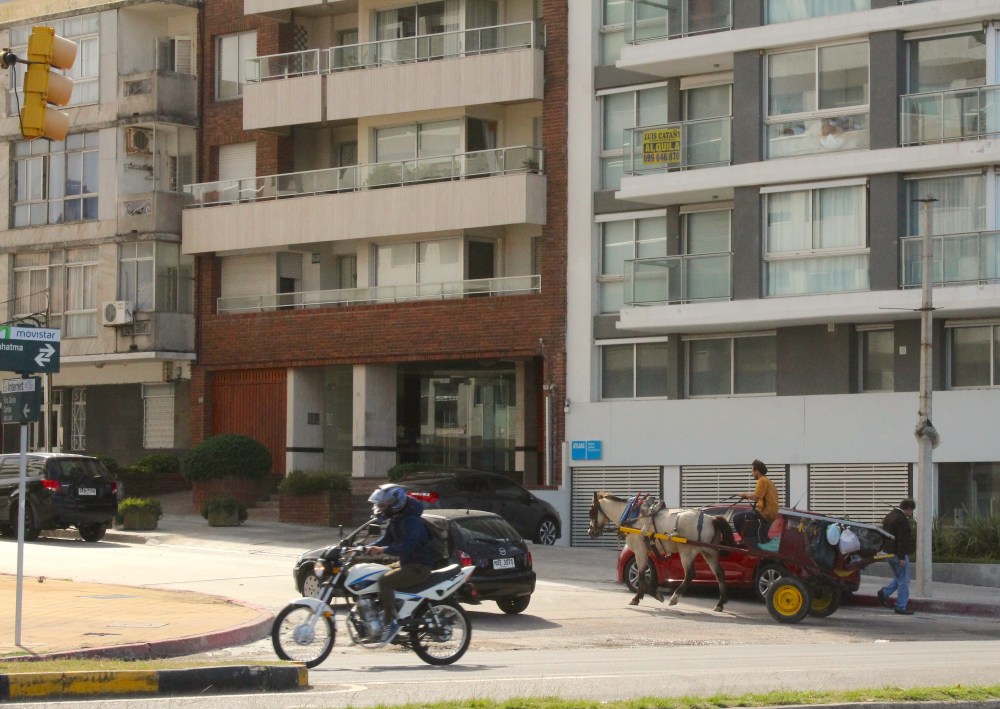
The picture below also can explain you better that not only architecture is a mix of styles but private transport is also a subject of someone’s personal choice: you can have a bike, car or a horse.
One more interesting fact about the country is that around 95% of all electricity comes  from renewables which make it more progressive than many super nations. The solar panels are widely used.
Day 2.
On the next day, we were taking the city sightseeing tour with other ACM2017 conference attendees.
The first thing we have seen in the heart of the old town is a refugees camp.

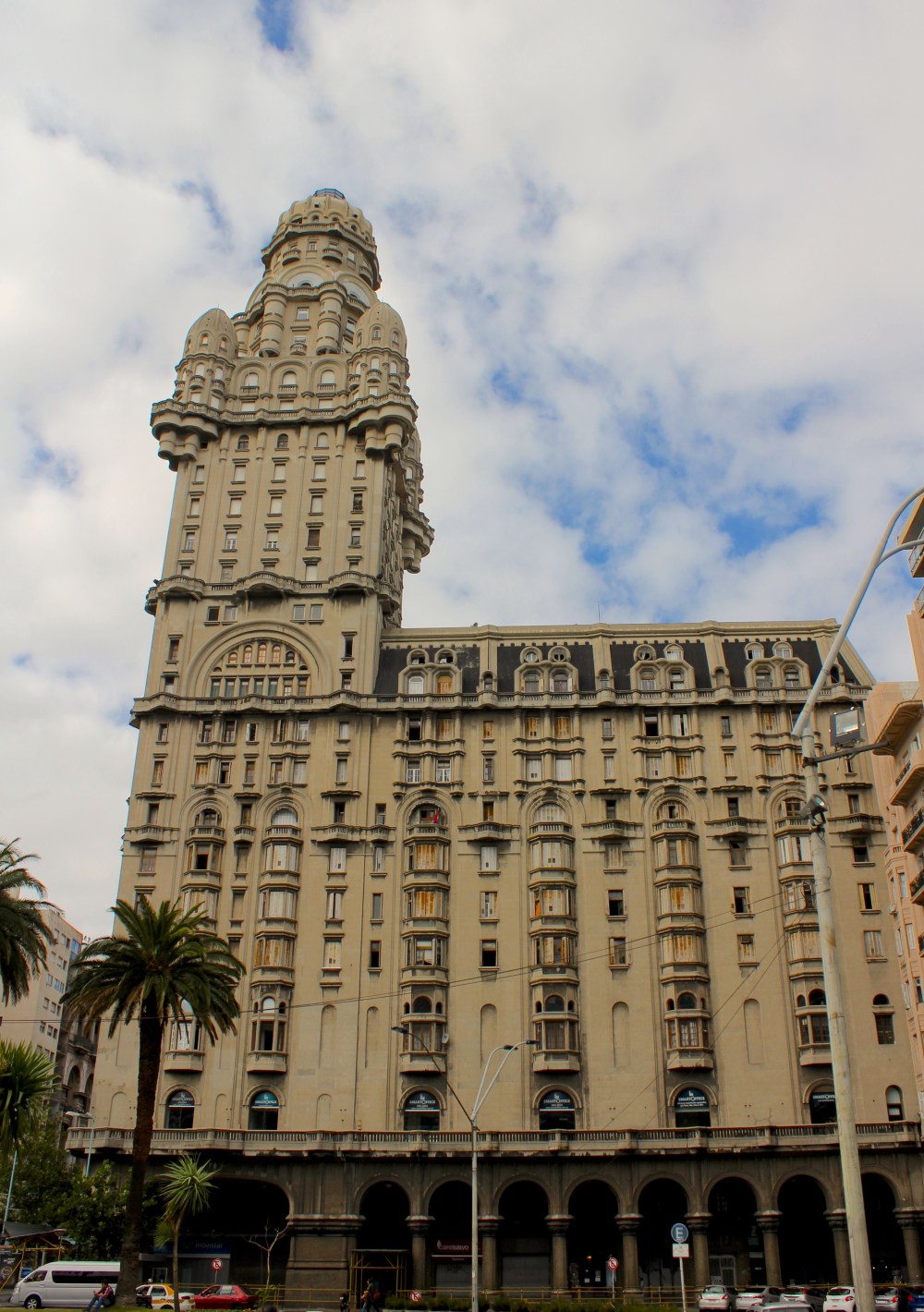
Those of you who have been to Buenos Aires may recognize this building. This is Palacio Salvo which looks absolutely the same as Palacio Barolo in BAires designed by Mario Palanti as a representation of his view of Dante’s Divine Comedy book from the perspective of architecture.
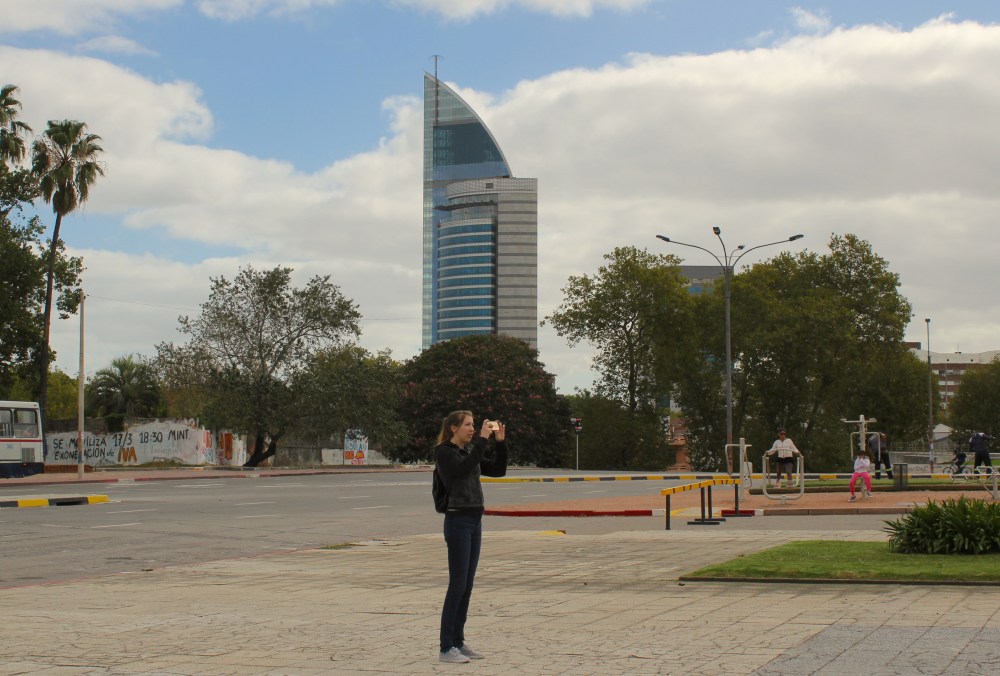
From this point, you can go to the port. We went clothes to the Parliament building. A building that really reminds us Burj al Arab Hotel also found its place in this architectural kaleidoscope just behind the girl on the photo below and just in front of the Parliament building.

And on the other side of the road, in front of the monumental building of Parliament people’s love for graffiti is shown.

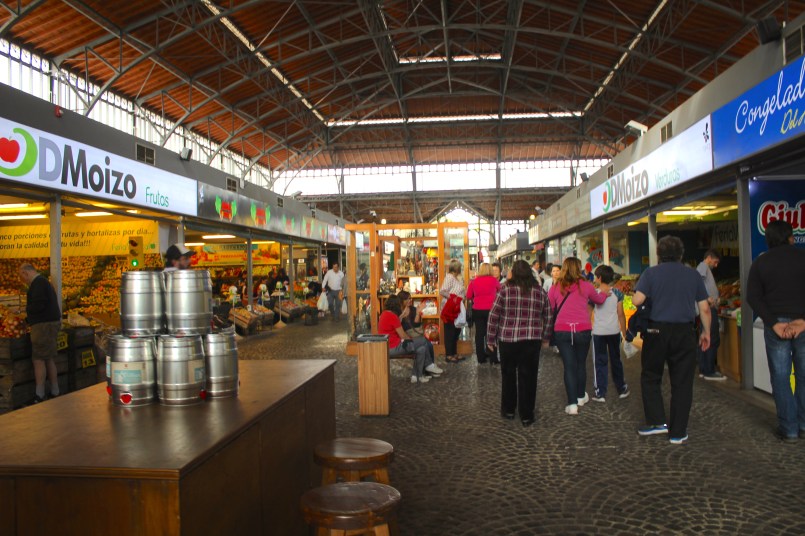
Another place that you should visit before you go is a local market. Mercado Agricola and Mercado del Puerto which had to be train station are located in the city center but have different working hours. In both places, you can find a restaurant and buy fresh organic fruits and vegetables =).
If you’ll decide to go to see the stadium of Montevideo, Estadio Centenario, you will find one of the largest parks of the capital, Parque Batlle. The statue on the photo called the Monumento la Carreta. It is a National Historic Monument and “was created in honor of the ox-cart drivers of the 19th” (c).

In the evening we had a little walk in the old town. We passed by a beautiful building designed by another Italian architect, Carlo Zucchi.
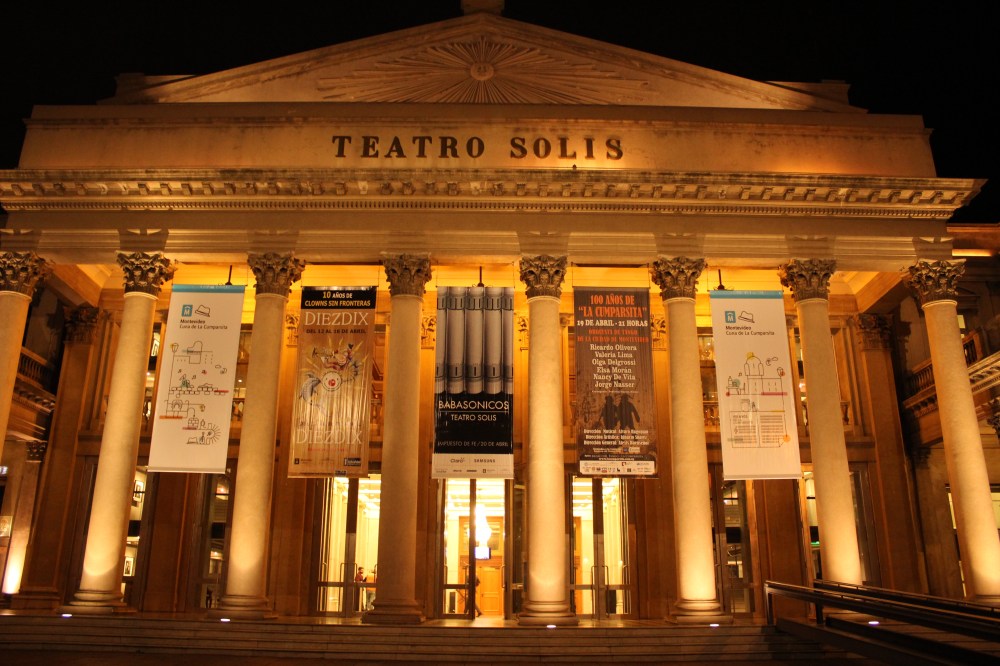
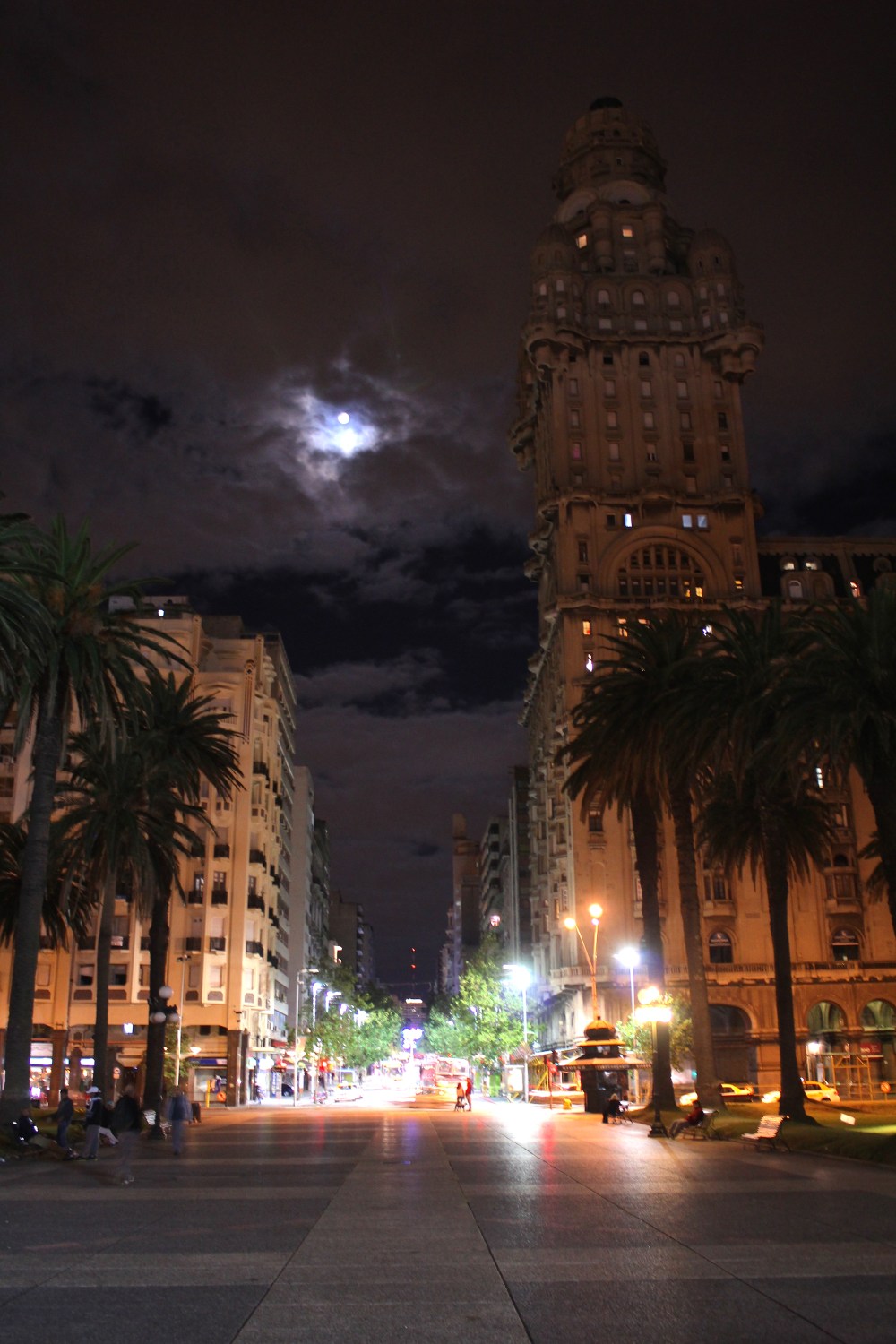
This is how we were exploring the city within 2 days.
You can write in comments if there is anything else should be mentioned and seen while in Montevideo.

 Life long trip
One thought on “Places to visit in Montevideo”